Bite Evaluation
Every pet deserves a comfortable and functional bite. Schedule an oral examination for your pet to check for possible misalignment or other common oral conditions affecting his/her bite.
KEY FACTS
- Puppies have 30 and kittens have 24 deciduous teeth that erupt by 8 weeks of age.
- These are replaced by 42 adult teeth in dogs and 30 teeth in cats by 6 months of age.
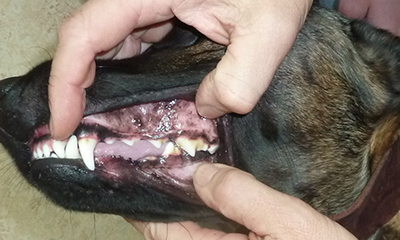
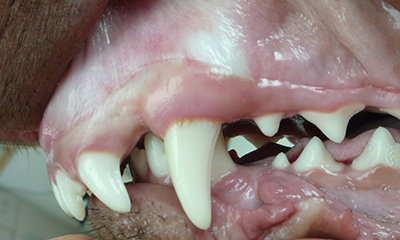
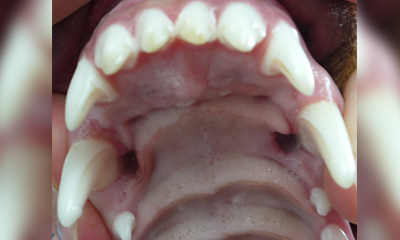
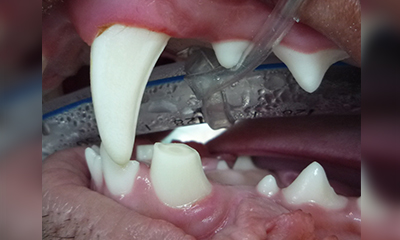
- Overbite, underbite, misaligned teeth, impacted teeth, and extra teeth can contribute to a “painful bite”, possibly affecting their ability to retrieve and even eat.
QUICK LOOK
LEARN MORE
- We prefer and are routinely referred patients at a young age for misaligned teeth (ie. malocclusions) and can offer one or more solutions.
- These solutions or treatments are based on the breed of the pet, disposition, intended use/lifestyle as well as keeping it “simple” so we have consistent/successful outcomes.
- The majority of malocclusions are genetic, so we will counsel pet-owners on neutering or breeding concerns.